
















What Is Compelling Evidence in a Chargeback Dispute?
Compelling evidence is the documentation, proof of delivery, match data, customer messages, or accepted policies, that a merchant submits to prove a disputed transaction was legitimate, and what counts (and whether it's a named program) differs by card network.

Compelling evidence is the documentation a merchant submits to prove a disputed transaction was legitimate. You send it during representment or second presentment, after a chargeback is already filed. What counts as compelling, and whether it’s a named program, changes by card network.
What counts as compelling evidence
Proof of delivery, match data, customer messages, and accepted policies are what count. Each type proves a different fact about the sale:
- Proof of delivery: signed receipt, tracking record, or download log.
- Match data: IP address, device ID, shipping address, or login ID.
- Customer messages: emails, chat transcripts, or support tickets.
- Accepted policies: terms the cardholder agreed to at checkout.
Which one counts depends on the dispute’s chargeback reason code. A "product not received" claim and a "not authorized" claim ask you to prove two different facts. A delivery receipt can help with both, but a fraud claim also needs evidence linking the cardholder to the purchase.
Evidence that misses the code counts for nothing, however strong it looks. Confirm what your code actually requires in our reason code lookup tool before you gather anything.
Compelling evidence isn’t the same on every card network
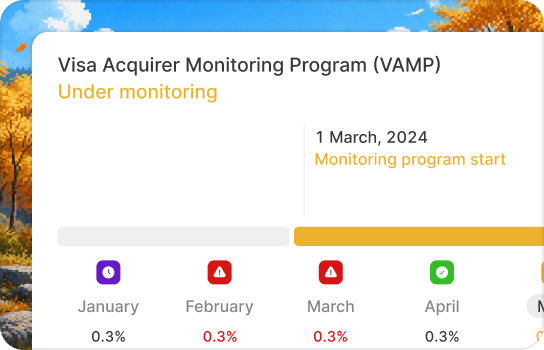
Visa and American Express each name a Compelling Evidence program, while Mastercard and Discover use the phrase loosely. A named program gives you a test to check your evidence against:
The two named programs test for different things. Visa’s rule looks for data that matches an earlier charge the cardholder never disputed.
On Amex, your plan decides whether you can use the program at all. Merchants on its Fraud Full Recourse plan can’t submit Compelling Evidence for fraud claims.
Use Visa’s CE3.0 rules on an Amex, Mastercard, or Discover dispute and you’ll send the wrong evidence.
How to submit compelling evidence
Send compelling evidence to your payment processor or acquiring bank, written to answer the dispute’s reason code. You can’t file with the network yourself, so your acquirer submits it for you.
Your processor’s dispute portal lists three things on the case record. Read all three before you assemble the packet:
- The reason code: it tells you which of the four evidence types to pull.
- The response deadline: use the date on your case record, because your processor can give you less time than the network allows.
- The file limits: accepted formats, page count, and file size.
A late or oversized file gets thrown out unread on most networks.
Even a win costs you staff hours and can affect your chargeback ratio. Whether you get the dispute fee back depends on your processor. Stopping the dispute earlier costs you a refund.
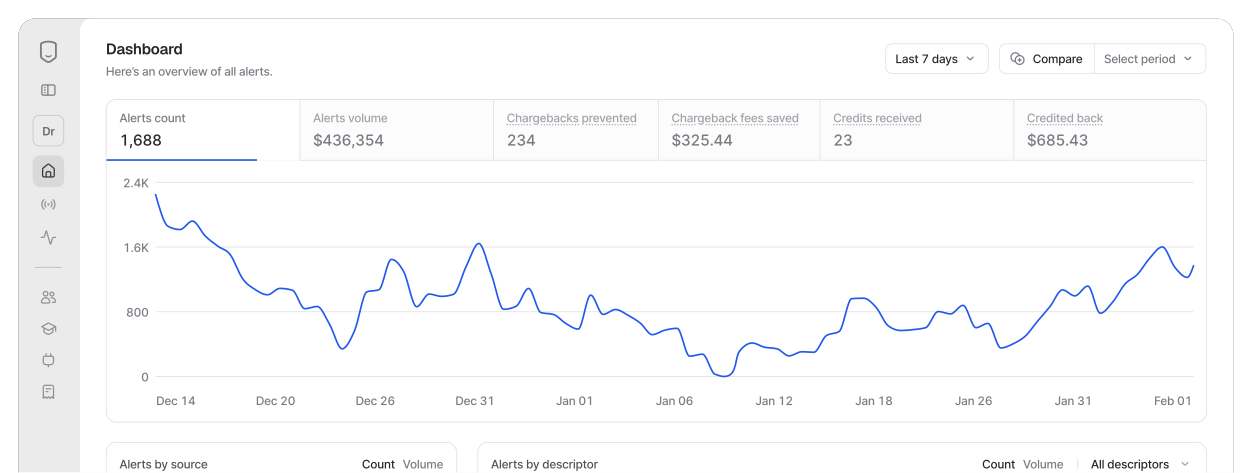
Our chargeback alerts reach you before a dispute becomes a chargeback, so you can settle it and skip the packet.
FAQ
Does compelling evidence guarantee you’ll win the dispute?
It doesn’t, because the issuing bank can reject a strong submission. If the case reaches arbitration, the card network decides liability.
Do I need a lawyer to submit compelling evidence?
No, it’s a paperwork package that merchants put together themselves every day. Your processor or a dispute service can handle the submission if you’d rather not.
Can the customer see the compelling evidence I submit?
Sometimes, because the issuing bank decides what it shares with the cardholder. Practice varies by issuer, so assume the cardholder may see it and keep the package factual.